
Relationship Pattern Assessment
You're probably not having different fights.You're having the same fight over and over again.
Most couples think they're arguing about communication.
Or money. Or intimacy. Or parenting.
But beneath every recurring argument is often an invisible pattern that neither person realizes they're caught inside.
Understanding that pattern can change everything.
Relationship Pattern Check-In
Why Do We Keep Having The Same Fight?
This Relationship Pattern Check-In is for educational purposes only. It is not a psychological assessment, diagnosis, or substitute for psychotherapy.
Estimated completion time: 2 minutes
Your responses are used to generate your educational result. Anonymous quiz data may also be analyzed in aggregate to improve this educational tool over time. No personally identifying information is required to complete this quiz.
Does this feel familiar?
One of you wants to talk.
The other shuts down.
Conversations become defensive.
You both leave feeling misunderstood.
A few days later…
You're having the exact same conversation again.
You love each other.
Yet somehow every difficult conversation seems to end in the same place.
You're exhausted. They're exhausted.
Nothing changes.
The Hidden Problem
The problem usually isn't communication.
Many couples spend years trying to improve communication.
But communication isn't always the problem.
Often, something much deeper is happening.
One partner is trying to reconnect.
The other is trying to protect themselves.
Neither person realizes that's what they're doing.
The more each follows their instinct, the further apart they become.
The Cycle
- Conflict
- Emotional Threat
- Protection
- Misunderstanding
- Disconnection
- Conflict Again
Every conflict contains two conversations.
The one you can hear — and the one happening underneath it.
The conversation you hear
- "You never listen."
- "You always shut down."
- "We keep having this same fight."
The conversation happening underneath
- "Do I matter?"
- "Am I enough?"
- "Am I failing?"
- "Are we still connected?"
Most couples are responding to the words.
Our work is helping you understand what those words actually mean.
The Framework
What our work together looks like.
A structured therapeutic process — always tailored to your relationship, your pace, and what you're trying to understand.
Understand Your Pattern
Every relationship has a unique conflict cycle. Together we'll identify:
- what starts it
- what each partner experiences internally
- what each person is trying to protect
- why conversations keep ending the same way
This first step creates understanding instead of blame.
Interrupt The Cycle
Once you understand the pattern, we'll begin learning how to interrupt it before it takes over. Together we'll explore:
- emotional triggers
- protective reactions
- what each partner is actually hearing
- healthier ways to respond
Build New Conversations
Conflict isn't the problem. The goal is creating conversations where both people feel understood. Together we'll practice:
- repair
- emotional regulation
- difficult conversations
- rebuilding emotional safety
Strengthen The Relationship
As old patterns lose their grip, we'll focus on building a relationship that feels more secure, connected, and resilient.
Every relationship moves at its own pace. Some couples need only a few sessions. Others choose to continue exploring deeper patterns and strengthening their connection over time.
A common question
Can I come alone?
Yes.
You don't have to wait until your partner is ready.
Many people delay getting help because their partner isn't interested in therapy.
But relationships are systems.
When one person begins understanding their own patterns, the relationship often begins to change.
Whether you attend alone or together, the goal is the same:
Greater understanding. Greater emotional safety. Better conversations.
If your partner decides to join later, the work naturally expands into couples sessions.
Our Orientation
This isn't about choosing sides.
Most couples arrive with one question
Most couples come to therapy hoping to answer one question.
"Who's right?"
Our work begins with a different one
Our work begins with a different question.
"What is each person trying to protect?"
When we understand what sits beneath criticism, defensiveness, withdrawal, or repeated arguments, new possibilities for connection begin to emerge.

Your therapist
Michael Kang
Registered Psychotherapist · Couples Therapist
Michael has spent years helping couples make sense of the same argument they keep finding themselves inside.
His work isn't about scripts or communication rules. It's about slowing the moment down enough to notice what each person is actually protecting — and what they're quietly reaching for.
"I help people understand what's happening beneath the conflict."
Michael offers virtual sessions across Ontario and in-person sessions in North York.
A trusted team
Looking for the right fit?
Many people come to this page hoping to work with Michael.
If his availability doesn't align with your schedule—or you simply feel another therapist may be a better fit—you don't need to begin your search again.
K'yaa Therapy is home to a team of compassionate therapists who help individuals and couples navigate relationship challenges, emotional disconnection, communication struggles, attachment wounds, anxiety, and life's most difficult seasons.
Our goal isn't to match you with the first available therapist.
Our goal is to help you find the therapist who feels like the right fit for you.
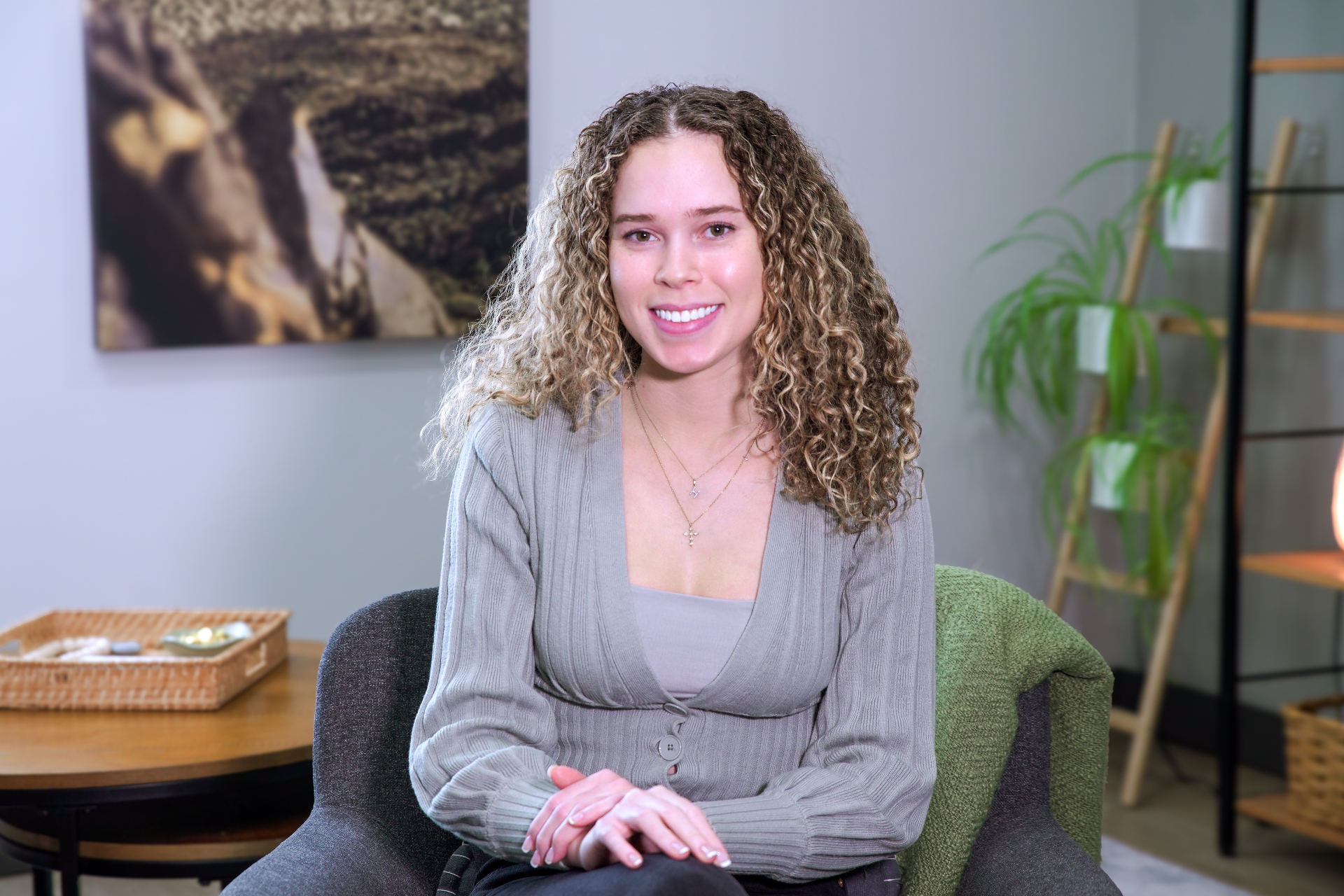


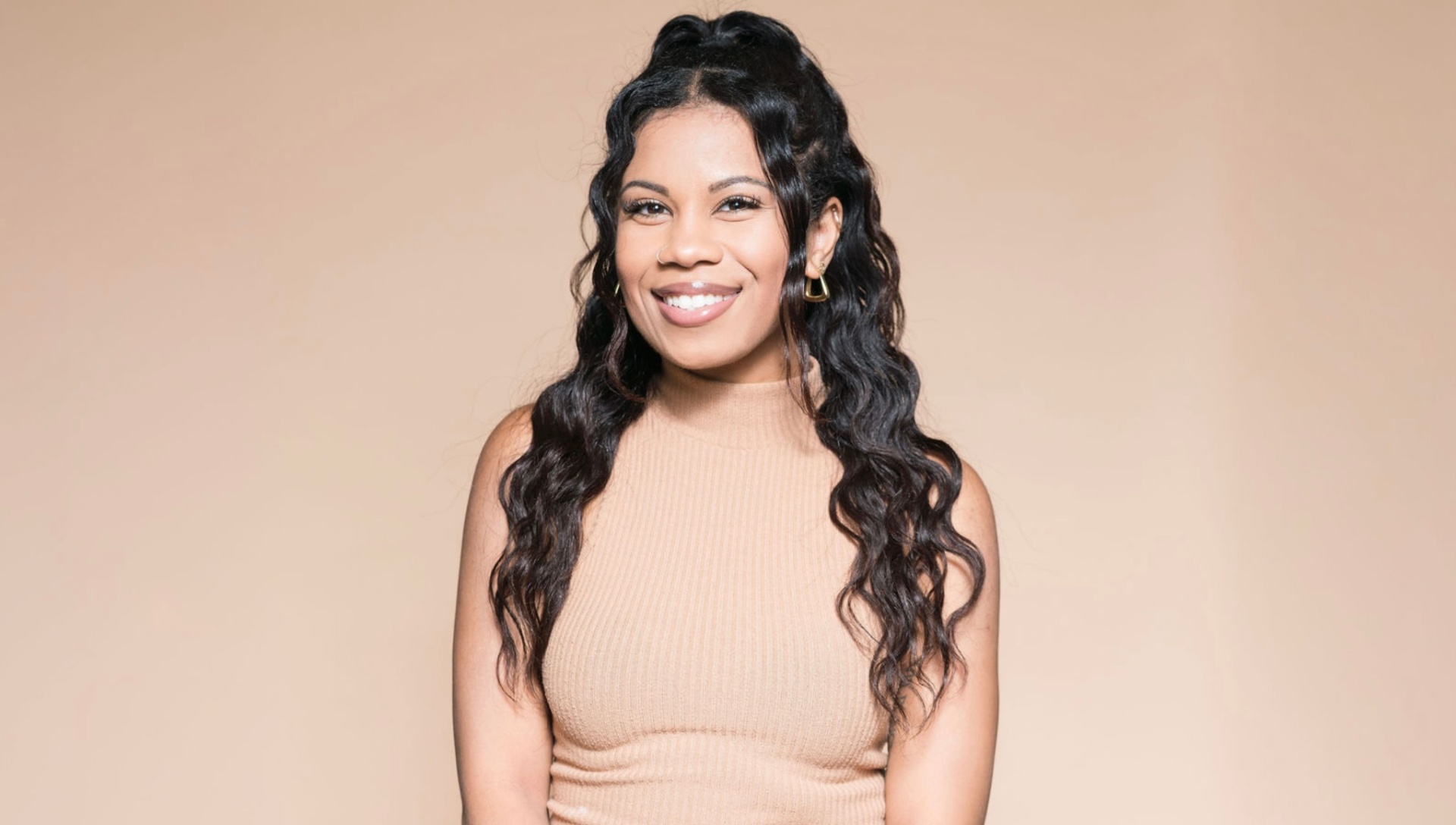




Sometimes the best therapist isn't the first available—it's the one who feels like the right fit.
Questions people often ask.
Individualized
Every relationship moves at its own pace.
There is no predetermined number of sessions.
Some couples experience meaningful shifts within a few meetings.
Others choose to continue exploring deeper patterns over time.
Our goal isn't to move you through a program.
Our goal is to help you understand your relationship well enough that lasting change becomes possible.
You don't need another conversationthat ends the same way.
Sometimes the biggest breakthrough isn't learning what to say.
It's finally understanding what's been happening all along.
Attend on your own or together · Virtual across Ontario · In-person in North York